Aluminum and Non-Ferrous Alloys
Mirror-polished flutes, positive rake angles, and DLC or ZrN coatings support chip clearing from deep pockets.

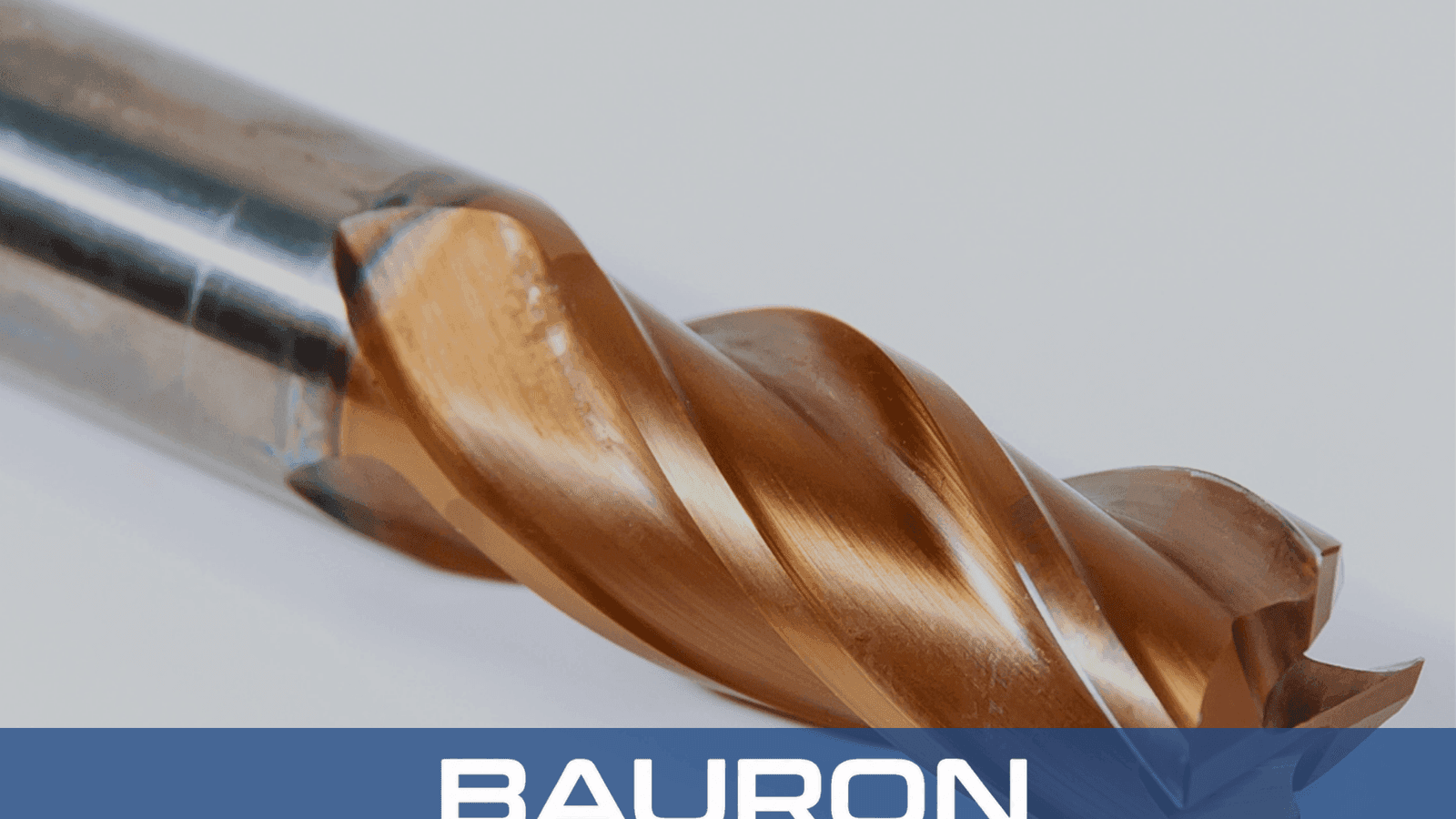
Deep cavities and tall vertical walls can cause rubbing, chatter, and premature breakage with standard straight-shank cutters. A neck relieved end mill has a neck diameter ground slightly smaller than the cutting-edge diameter, allowing the cutting head to profile deep cavities while reducing sidewall contact.
Mirror-polished flutes, positive rake angles, and DLC or ZrN coatings support chip clearing from deep pockets.
Variable-helix flutes with AlTiN or nACo PVD coatings address 316L, Inconel, and titanium.
Rigid carbide cores and micro-honed cutting lips are designed for finishing deep die cavities in materials up to 65+ HRC.
Sharp cutting lips slice fibers while limiting edge buildup and thermal distortion.
| Specification | Range / Details |
|---|---|
| Neck Relief and Reach | Custom neck diameters, reach lengths, and length-to-diameter ratios |
| Cutting Profiles | Custom corner radii, ball nose profiles, and step-diameter combinations |
| Surface Coatings | AlTiN, DLC, ZrN, and nACo PVD coatings for target materials |
| Manufacturing Inputs | Technical CAD files, blueprints, or physical sample tools |
| Material / Coating | Best For | Key Advantage |
|---|---|---|
| DLC / ZrN | Aluminum and non-ferrous alloys. | Polished, high-positive-rake flutes support chip evacuation from deep pockets. |
| AlTiN / nACo PVD | 316L stainless steel, Inconel, titanium, and other superalloys. | Heat-resistant coatings pair with variable-helix flutes to address work hardening and chatter. |
| Micro-Honed Carbide | Hardened steels and mold alloys up to 65+ HRC. | Rigid cores support high-speed finishing in deep die cavities. |
| Sharp Uncoated Geometry | Engineering plastics and composites. | Sharp lips slice fibers while limiting edge buildup and thermal distortion. |
The source pairs polished low-friction geometry with non-ferrous alloys, heat-resistant PVD coatings with stainless steels and superalloys, rigid carbide with hardened steels, and sharp edges with plastics and composites.
Reach deep pockets and cavities where the relieved neck clears sidewalls and prevents shank rubbing.
Perform deep-reach and off-center milling on turned parts without the neck contacting the workpiece.
Finish deep cores and cavities where extended reach and neck clearance protect the wall surface.
Machine 90-degree internal shoulders and deep slot bottoms without wall interference.
Finish 3D mold cavities, complex radii, and organic surfaces in deep pockets.
Combine rounded cutting tips with a reduced neck to distribute forces during deep-cavity roughing.
Reach-to-diameter ratios such as 3xD, 5xD, 8xD, and 10xD match different pocket depths.
A relieved neck behind the cutting flutes reduces shank contact with sidewalls during deep-cavity milling, lowering friction, heat, and chatter.
Removing shank contact concentrates cutting at the edge, provides chip clearance, reduces binding risk, and can improve deep-pocket surface finish.
Three or four flutes are typical for steels and alloys to balance core strength with chip capacity. Two or three flutes provide larger chip gullets for aluminum and other non-ferrous materials.
Bauron can grind specified neck diameters, reach lengths, and flute geometries from blueprint requirements.
To minimize deflection, select the shortest neck reach necessary for your pocket depth, utilize dynamic/trochoidal tool paths to maintain low radial engagement, and choose a cutter with a thicker core diameter or a reinforced corner radius to distribute cutting forces evenly.
Bauron provides design and engineering support for tooling requirements. The engineering team works with customers on custom geometries, specialized coatings, and complex machining challenges.
Talk to Engineering